Ethical Offshoring: Overcoming Innate Prejudices
Ethical offshoring and hiring internationally often provoke reactions that are less grounded in data and more rooted in assumption. Most business leaders already accept that talent quality does not decline simply because a candidate lives in the next town, the next state, or the next time zone. The logical extension of that belief is uncomfortable for some, because it exposes an unexamined bias rather than a business reality. When skill, experience, and outcomes remain consistent, geography alone is not a meaningful indicator of quality.
Concerns about hiring internationally are frequently framed as practical risks, yet many of those concerns dissolve under scrutiny. The United States does not hold a monopoly on high quality education, technical training, or professional rigor. In global rankings of education systems and workforce readiness, the US consistently performs well but not uniquely so, often trailing countries that produce large numbers of multilingual, technically proficient graduates. The modern economy already relies on international expertise in engineering, medicine, finance, and research without hesitation. Talent has never respected borders, even when hiring practices lag behind that reality.
The global labor market, when engaged ethically, creates measurable benefits on both sides of the partnership. Ethical offshoring raises standards of living, expands access to professional opportunity, and strengthens economic stability in regions that are too often reduced to cost centers. For companies, hiring internationally broadens the talent pool and introduces perspectives shaped by different markets, cultures, and problem-solving frameworks. These dynamics are not charitable side effects but strategic advantages when managed responsibly.
Much of the skepticism around ethical offshoring stems from prior exposure to outsourcing models that prioritize cost above all else. A Business Process Outsourcing firm, or BPO, typically focuses on delivering predefined tasks at the lowest possible labor cost, often with minimal concern for long-term employee development or integration into the client’s culture. These models frequently produce high turnover, inconsistent quality, and strained communication, reinforcing negative perceptions of hiring internationally. The failure here is not global talent but a procurement mindset that treats people as interchangeable inputs.
Turnkey’s Long Term Integration Model
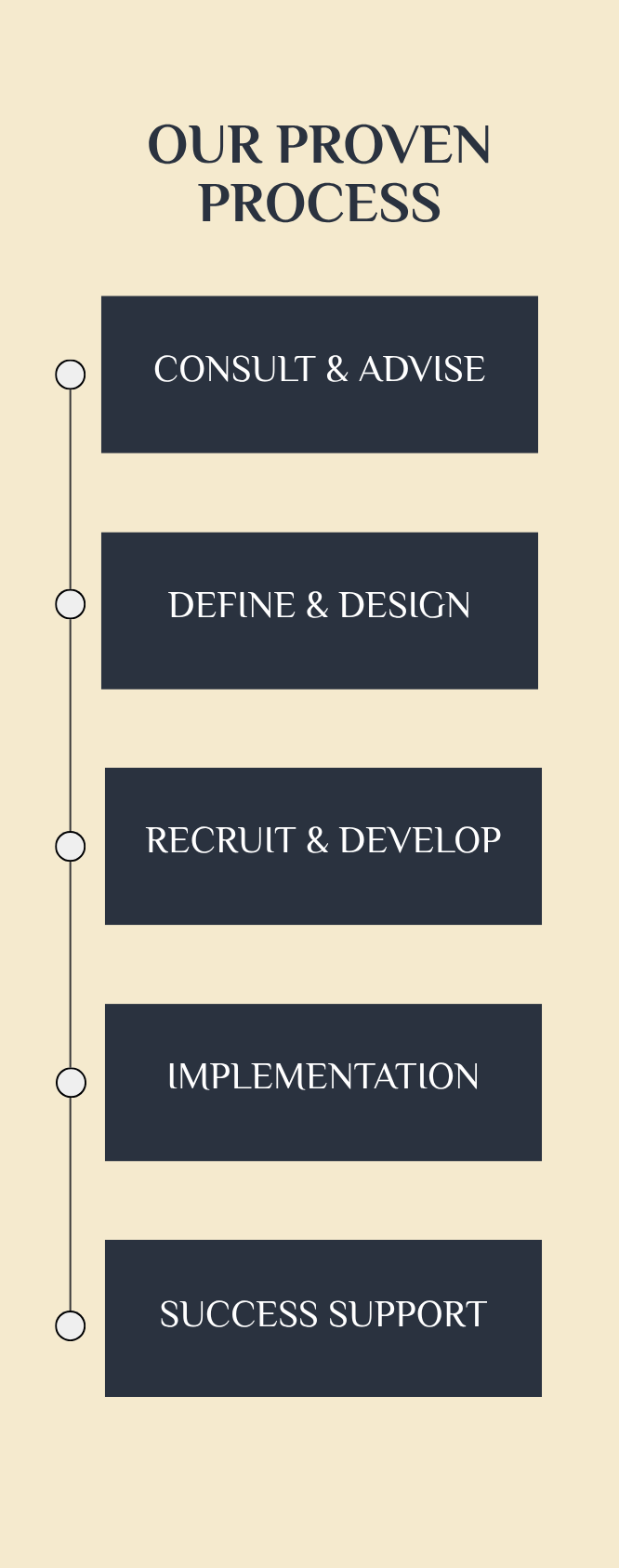
Turnkey operates on a fundamentally different premise. Rather than outsourcing tasks, Turnkey supports ethical offshoring by integrating international professionals directly into client teams as long-term contributors. Hiring standards emphasize skill, experience, communication ability, and cultural alignment, not lowest-bid labor. Compensation is structured to support a stable, middle-class standard of living in local economies, enabling retention, professional growth, and genuine accountability. This approach produces teams that function as extensions of the business rather than external vendors.
Ethical offshoring also carries responsibilities beyond payroll and productivity. Turnkey’s partnership with B1G1 connects business growth to measurable social impact, ensuring that global expansion contributes positively to education, health, and community development initiatives. Local efforts within the regions where teams operate reinforce that commitment through direct investment in people and infrastructure. These actions are not marketing gestures but structural choices that shape how international hiring influences communities over time.
Businesses operate in environments defined by competition, data, and results. Prejudices, whether local or global, introduce inefficiencies that no organization can afford. Ethical offshoring and hiring internationally demand the same discipline applied to any strategic decision: evaluate talent on capability, outcomes, and alignment, not on assumptions shaped by outdated models. In a global economy, professionalism requires recognizing that excellence is widely distributed, even if opportunity has not always been.
Want to explore a more responsible approach to international hiring? Click here to book a meeting.