Building Marketing That Creates ROI, Not Vanity Metrics
On paper, 10,000 unique website visitors and an ad reach of 50,000 people look impressive. But if those numbers are not translating to your bottom line, they are meaningless. Those so-called “vanity metrics” are simply numbers that make people feel good about their marketing efforts but don't create a return on investment. If you’ve been stuck on the vanity metrics, it’s time to turn that around. It’s time to build marketing that works. Defining what you need to do to get a real customer is key to letting those vanity metrics fade in return for real results.
What is a Vanity Metric?
A vanity metric is a data point that may look impressive on paper, but does not relate to actual business success, revenue, or actionable insights. These data points can include raw page views, registered users, or social media likes.
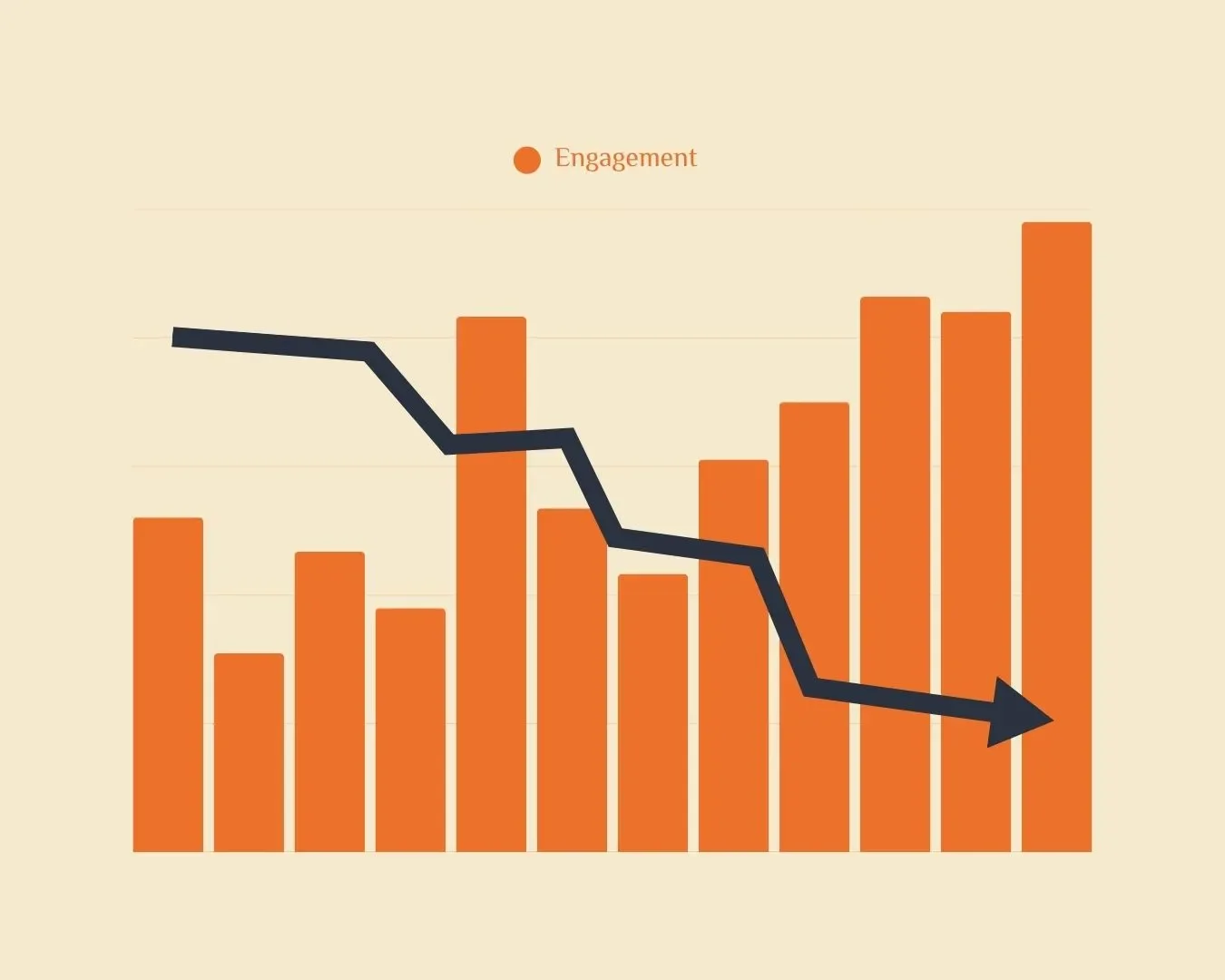
Vanity Metrics to Avoid
Here’s a quick checklist of vanity metrics to avoid:
Website Traffic: Just because someone is visiting your website doesn’t mean they are going to do business with you.
Social Media Followers & Likes: Not all followers are customers. A user’s decision to follow you will not automatically convert to sales.
Ad Impressions: Ad impressions measure visibility, not effectiveness. They often justify spending on ads, not impact.
Email Open Rates: While this can be a starting point, they do not indicate meaningful engagement or intent to buy. Emails can be opened and then ignored. High open rates can exist with poor lead quality.
Knowing what to avoid can help you focus on what’s important when building marketing that drives ROI.
When Big Numbers Don’t Bring in Big Profits
Many businesses have seen vanity metrics play out in their daily interactions. Consider this scenario:
An ice cream shop decides to hand out flyers on the beach to attract business. More than 2,000 flyers are handed out. You may think you’ve just reached all of those people. But what if those flyers just had pictures of ice cream, without your business info or a call to action? The probability of you getting any customers from that effort is close to zero. This same principle applies to your digital marketing efforts. A million website visits is comparable to handing out all of those flyers if visitors just bounce off your page. They’re doing so because it's irrelevant to them, or if there's no clear path for them to engage further. A post that goes "viral" with thousands of shares might make you feel popular, but if those shares are from people who have zero interest in your product or service, it's not going to lead to sales.
So where do you go from here?
It’s time to Define the Customer Journey
If we’ve established that vanity metrics are irrelevant, what do we do? It’s time to focus on your other marketing efforts. What needs to be done to get your customers to where you need them to be? You need to reach your target audience effectively.
You need to map out the customer journey.
This starts at the first touchpoint until you make the sale. Understanding what needs to take place along the way is also vital. These actions are your real marketing goals. They are specific, trackable steps that indicate genuine interest and intent. Let’s take a look at how a customer shows they are closer to doing business with you versus the competition.
Filling out a lead capture form: A customer has willingly given you their contact information. This shows they are at least interested in learning more.
Downloading information: If a potential client or customer registers for a webinar or downloads a white paper, it shows they are interested in learning more about the topic you are an expert in.
Adding an item to the cart, but not finishing the purchase: They’re almost there! They’ve shown a strong interest but, for some reason, have not clicked the purchase now button.
Requesting a product demo or consultation: This is huge! They want to have a one-on-one conversation with you to learn more.
Making a small first-time purchase: This can be a major milestone. It's a low-risk commitment that gets them in the door and opens the possibility of a larger purchase.
Each of these actions can be the target of a marketing campaign designed to drive users to it. Your marketing efforts will be clearer because you have a targeted audience. Each can be the focus of a tailored campaign.
Closing the Deal
Defining the customer action is only half the battle. The other half is ensuring that your marketing and sales teams are on the same page. Marketing's job is to attract and nurture potential customers, guiding them to that defined action. Sales' job is to take those qualified leads and guide them to a close. For this to work efficiently, you need a clear definition of what constitutes a "qualified lead" and a streamlined process for passing them to the sales team.
The process may look like this:
Step 1: Marketing creates a targeted content campaign.
Step 2: A targeted user fills out a lead form after seeing the campaign.
Step 3: Marketing uses lead scoring to determine how qualified each lead is, then passes it to the sales team.
Step 4: Sales reaches out with a personalized message to hopefully make the sale.
For this to work, sales and marketing need to be on the same page. They need to have the same definition of a good lead. Sales needs to have specific information to reach out to the lead. There also needs to be feedback from both sides to fix issues that may be problematic. In this way, both sides can work together towards the common goal.
How to Become ROI-Focused
So, how do you put this into practice? How do you build a marketing engine that creates ROI, not just vanity metrics? Here are some ideas:
1. Define Your Business Goals: What are your company's high-level objectives? Are you trying to grow overall revenue, launch a new product, or break into a new market? Your marketing goals must be directly linked to these business priorities to achieve ROI.
2. Know Your Target Audience: You can't start marketing to everyone in hopes that someone will be interested. Create a detailed model customer persona. This will include the demographics, behaviors, needs, and pain points of your ideal customers. When you have this in place, you know who you are targeting and have a better starting point.
3. Map the Customer Journey: For each of your key buyer personas, map out the steps they take from beginning to end. What questions are they asking? What challenges are they facing? What information do they need at each stage? Clearly answering these questions will lead to a strong ROI.
4. Define Clear, Actionable Goals: For each stage of the customer journey, identify one measurable action that you want your audience to take.
5. Align Sales and Marketing: Schedule regular meetings to discuss your target audience, define qualified leads, and establish a feedback loop for lead quality and sales conversions. Ensure that both teams are working towards the same goals. If they’re not, you've done all this work for nothing.
6. Implement Tracking & Analytics: You need tools in place (e.g., Google Analytics, CRM) to accurately track the defined customer actions. This is your source of truth for marketing performance. Without this, you have no way to know if your efforts are working.
7. Create Compelling Content and Offers: Design campaigns and content that are explicitly designed to drive your target audience to take action. Make your call-to-actions clear and concise to get the best results.
Making the Move Away from Vanity Metrics
By making marketing moves that create real results, not vanity metrics, you can drive meaningful customer actions. Your marketing efforts will create a visible business impact. They’ll show up where it matters most, in your company’s revenue. To learn more about how to build marketing that creates ROI, contact us today. We get results that matter.