The Painful Stages of Company Growth 

Growth is supposed to feel good, but anyone who has actually built a company knows the truth. Growth is often painful before it becomes rewarding. It exposes every weak process, every overloaded manager, every missing skill set, and every role that one person has been holding together through sheer willpower.

At the beginning, the company wins because people are scrappy. Everyone does a little bit of everything, the founder is close to every decision, and the team can move quickly because there are not many layers. That works until it does not. Eventually the business becomes too complex for grit alone, and the company starts needing talent it cannot afford, leadership it does not yet have, and systems it never had time to build.

This is the stage where many companies make expensive decisions too quickly. They hire full-time local experts before the business is ready to support them. They outsource important functions to outside companies and slowly lose control over the knowledge they need to grow. They ask their best people to keep absorbing more responsibility, then wonder why those people burn out or leave.

There is a better bridge. Fractional consultation and fractional C suite expertise can give the company the strategic direction it needs without forcing it to carry full-time executive salaries too early. Offshoring can then turn that direction into real operating capacity by placing trained international team members inside the company’s workflows, culture, tools, and long term structure. When those two pieces work together, companies can cross painful growth gaps without betting the business on a pile of local full time hires they may not be ready to afford.

Growth Pain Usually Starts With Success

Most companies do not feel the real pain of growth when they are failing. They feel it when demand increases, customers expect more, the team gets busier, and the old informal way of working no longer holds up. The company has more opportunities than before, but not enough structure to capture them cleanly.

This is where leaders often misdiagnose the problem. They say, “We need more people,” but what they really need is a better operating model. They say, “We need someone senior,” but what they really need is senior judgment combined with affordable execution. They say, “We need to outsource this,” but what they really need is to build the capability internally without carrying the full United States cost structure.

The painful part is that the company is often right in the middle. It is too big to keep operating like a startup, but too small to hire a full leadership bench. It needs expert-level thinking, but not always forty hours per week of that expert. It needs more workers, but not another round of expensive local hires who add payroll pressure before the business has fully stabilized.

The Talent You Need Is Often Locked Behind Salaries You Cannot Afford

The labor market makes this pain very real. The United States Bureau of Labor Statistics reported that management occupations had a median annual wage of $122,090 in May 2024, far above the median annual wage for all occupations. The same data shows why growth stage companies feel squeezed when they start needing real leadership, with financial managers at a median of $161,700, computer and information systems managers at $171,200, and chief executives at $206,420. Those numbers do not include payroll taxes, benefits, recruiting fees, bonuses, onboarding time, software, workspace, or the risk of a bad hire.

This is why companies often wait too long to get help. They know they need a better finance function, but they cannot justify a full-time CFO. They know operations are breaking, but a seasoned COO may cost more than the company can safely absorb. They know customer support needs structure, but a true customer experience leader may be out of reach.

The result is a dangerous compromise. The founder keeps acting as the operations leader. The controller becomes the accidental finance strategist. The office manager becomes the HR department. The best customer support person becomes the unofficial trainer, quality reviewer, escalation manager, and process owner without the title, training, or compensation to match.

Skills Gaps Are No Longer a Future Problem

This is not only a salary issue. It is also a skills issue. PwC’s 2025 CEO research reported that nearly a quarter of CEOs say talent shortages are already inhibiting performance, and that skills availability ranks as a significant threat to growth. That means companies are not simply competing for headcount. They are competing for specialized capability at the exact moment when business models, technology, customer expectations, and operating systems are changing quickly.

The World Economic Forum’s Future of Jobs Report 2025 was based on input from more than 1,000 leading global employers representing more than 14 million workers across 55 economies. The report focuses on how employers expect jobs and skills to shift from 2025 to 2030, which matters because companies are not only trying to hire for today’s needs. They are trying to build teams that can keep adapting as work changes.

That is exactly why the old hiring model breaks down for growing companies. By the time a company can afford the full-time expert it needs, the work may have already moved past the system that person is being hired to fix. Waiting too long creates debt inside the business. Hiring too quickly creates financial risk. The bridge is to buy expertise fractionally, then build execution capacity offshore.

Illustration of puppet hands controlling strings from above, symbolizing a founder carrying too much responsibility and holding every part of the business together manually.

Stage One:
The Founder Holds Everything Together

The first painful stage is the founder bottleneck. In this stage, the founder knows every customer, every process, every exception, every vendor, every workaround, and every problem. That sounds like control, but it is usually fragility pretending to be leadership.

At first, this is normal. The company needs the founder close to the work because there is no other way to move fast. The founder makes the decisions, fixes the mistakes, closes the gaps, and carries the memory of the company in their head. But as the business grows, that same strength becomes the constraint.

This is where offshoring can help, but only if it is done correctly. The first step is not throwing random tasks at an outside vendor. The first step is using fractional operational guidance to pull knowledge out of the founder’s head, document the recurring work, identify which tasks can be transferred, and create roles that let offshore team members take ownership. The founder should not be managing every small thing forever. The founder should be teaching the system how to operate without constant founder intervention.

Generalist looking overwhelmed beside a tangled scribble, symbolizing how overextended generalists can become stressed and mentally overloaded from handling too many responsibilities.

Stage Two:
The Generalists Start to Break

The second painful stage is generalist overload. The early team is usually full of flexible people who can handle many responsibilities. That is useful in the beginning, but it becomes dangerous when the company starts needing deeper skill in finance, operations, support, HR, customer success, procurement, reporting, and systems.

Generalists are valuable, but they are not magic. A strong office manager may be able to coordinate vendors, manage billing questions, support customers, update spreadsheets, and help with onboarding. But that does not mean they should become the long-term owner of operations, finance administration, HR compliance, support reporting, and process design. At some point, flexibility turns into strain.

This is often when companies start thinking they need several expensive full time hires. They may need an operations manager, a finance person, a customer support lead, a recruiter, and an admin coordinator. The problem is that hiring all of those roles locally at once may create more payroll risk than the company can tolerate. A smarter path is to use a fractional expert to define the structure, then build an offshore pod that handles the repeatable execution.

highlighted specialist figure with an award badge standing in front of a team, symbolizing the importance of specialized talent and expertise within a growing company.

Stage Three: The Company Needs Specialists

The third painful stage is when the company needs specialists, not just helpers. A business can run for a while with smart people doing their best across many areas. But eventually it needs real financial reporting, real support standards, real operating procedures, real recruiting processes, real CRM hygiene, real vendor management, and real quality control.

This is where the phrase “we need someone who knows what they are doing” starts coming up in leadership meetings. The company does not just need another person to take on tasks. It needs someone who can design the right process, choose the right tools, set standards, and show the team what good looks like. That is expert work.

But expert work does not always require a full-time expert forever. A fractional CFO can design the reporting rhythm, cash flow model, month-end process, and financial controls. A fractional COO can map workflows, define accountabilities, and identify where execution should move offshore. A fractional head of customer experience can design the support model, escalation paths, knowledge base structure, and quality standards. Once the strategy is clear, offshore team members can run much of the ongoing work inside the company.
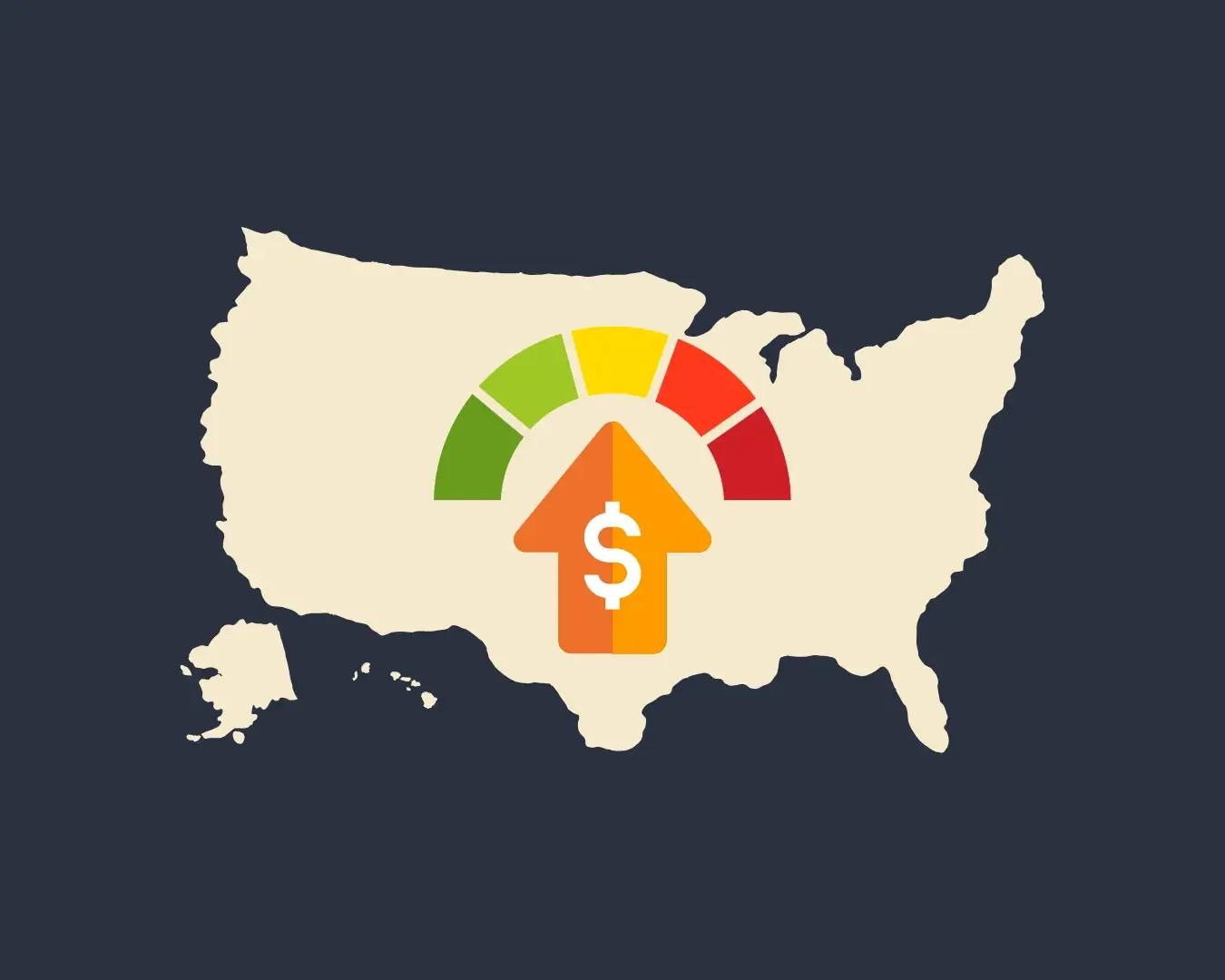
Illustration of a U.S. map with a rising cost gauge and dollar symbol, representing the financial risk and pressure of making a major local hiring decision.

Stage Four:
The First Big Local Hire Feels Too Risky

The fourth painful stage comes when leadership knows the company needs a senior hire, but the cost feels dangerous. This is not fear. It is often good business judgment. A full-time local executive or senior manager can be the right move at the right time, but making that move too early can put pressure on cash flow, profitability, and flexibility.

Hiring a senior person locally also does not solve every problem by itself. That person may bring expertise, but they still need an execution team. If the company hires a full-time COO but does not give that person affordable operational support, the COO becomes an expensive operator. If the company hires a controller but does not give them finance support, they spend too much time in transactions and not enough time improving financial visibility. If the company hires a support director but does not give them trained support staff, they become the most expensive customer service representative in the building.

This is where fractional leadership, combined with offshoring, becomes powerful. The fractional expert gives the company senior guidance at the level it needs now. The offshore team gives the company the execution capacity it can afford to scale. Together, they let the business mature without forcing a premature leap into a full domestic leadership bench.

Illustration of a business owner thinking about the choice between a local office setup and a connected remote team, representing the appeal and considerations of outsourcing.

Stage Five:
The Outsourcing Temptation

The fifth painful stage is when leaders start looking for outside companies to take over parts of the business. This is understandable. The company is busy, the team is stretched, and vendors appear to offer a clean solution. Hand the work over, pay a fee, and stop worrying about it.

Outsourcing can work for certain things. It can be useful for temporary projects, highly specialized deliverables, one-time implementations, or functions the company does not need to own deeply. But outsourcing becomes risky when the work is part of a capability the company will need to grow for years. Customer support, finance operations, order management, sales operations, vendor coordination, CRM administration, hiring support, onboarding, reporting, and process documentation are not just tasks. They are learning systems.

Grant Thornton describes several common outsourcing risks, including loss of control, poor transition planning, outdated technology, talent scarcity, rising costs, and choosing the wrong provider. Those risks matter because growing companies do not only need work completed. They need visibility, institutional knowledge, process improvement, and operating control over the functions that shape the customer experience and future scalability.


Why Offshoring Is Different From Outsourcing

Outsourcing usually means sending work to an outside company. That outside company may use its own people, systems, habits, standards, and management structure. You may receive deliverables, reports, tickets, calls, or completed tasks, but the knowledge often accumulates on the vendor’s side of the relationship.

Offshoring, done correctly, is different. You are building international team members who operate as an extension of your organization. They learn your tools, your standards, your customers, your workflows, your communication style, and your business goals. The work does not disappear into a black box. It becomes part of your operating system.

This distinction matters most when the function is something you will need for years. If customer support feedback reveals product issues, you want that knowledge inside your company. If finance support reveals margin problems, billing breakdowns, or cash flow patterns, you want that knowledge inside your company. If operations support reveals process waste, vendor issues, or quality problems, you want that knowledge inside your company. Outsourcing can complete work. Offshoring can build capability.


Fractional Expertise Gives You the Blueprint

Fractional consultation is most valuable when the company does not yet know exactly what to build. A growing business may feel the pain clearly but still not know the root cause. It may think the issue is people, when the issue is process. It may think the issue is software, when the issue is ownership. It may think the issue is one overloaded manager, when the issue is the absence of a real operating structure.

A fractional expert can diagnose that gap without becoming a permanent payroll burden. A fractional COO can identify where work is getting stuck, where the team is duplicating effort, where accountabilities are unclear, and where offshore roles can create the most relief. A fractional CFO can separate true financial risk from messy reporting and help define what finance support should handle. A fractional customer success leader can design support tiers, service standards, escalation rules, and quality review systems before the company hires a larger support team.

This is the blueprint layer. It is not enough by itself because a blueprint does not execute itself. But without the blueprint, adding offshore talent can become random hiring. The right sequence is simple: diagnose the growth pain, design the operating model, define the roles, document the work, then place offshore team members into a structure built to last.

Offshore Talent Gives You the Capacity

Offshore talent becomes powerful when it is connected to a clear plan. The company should not simply ask, “Who can we hire cheaply?” That is the wrong question. The better question is, “What work is holding back our expensive domestic team, and which parts of that work can be transferred into an offshore structure without losing quality or control?”

That question changes the entire model. Instead of hiring offshore employees as assistants, the company builds roles around real operating lanes. One offshore team member may own reporting preparation. Another may own support documentation. Another may own order coordination, CRM hygiene, vendor follow up, onboarding administration, billing support, data cleanup, or quality review.

The value compounds when these roles are connected. A fractional expert defines the system. The offshore team runs the repeatable work. The United States team focuses on judgment, relationships, leadership, local market context, and decisions that truly require domestic expertise. That is how companies reduce the time burden on expensive staff without losing control over the business.

Operations Is Often the First Place to Look

Operations is one of the clearest areas where growing companies feel pain. Work starts flowing through too many informal channels. Orders, customer requests, vendor updates, internal approvals, scheduling, documentation, and follow up all depend on people remembering what needs to happen. The company grows, but the operating system stays trapped in conversations and spreadsheets.

A fractional operations consultant or fractional COO can help map how work actually moves through the company. That person can identify bottlenecks, define standard operating procedures, establish ownership, create scorecards, recommend tools, and determine what should be handled by offshore support. This is valuable because operations problems are rarely solved by adding one random person. They are solved by making the work visible, repeatable, and owned.

An offshore operations pod can then handle the recurring execution. That may include order tracking, vendor follow up, job packet preparation, inventory coordination, appointment confirmation, project status updates, documentation maintenance, internal reporting, and administrative support for managers. Instead of asking a United States operations leader to chase every detail, the offshore team keeps the machine moving and escalates exceptions.

Customer Support Should Not Be a Vendor Black Box

Customer support is another area where companies are tempted to outsource too quickly. The logic seems reasonable. Support volume is rising, the team is overloaded, and an outside provider can answer tickets or calls. But support is not only a cost center. It is one of the best sources of customer intelligence in the entire business.

When support is outsourced poorly, the company loses visibility. It may know ticket volume, response time, and satisfaction scores, but it may not understand the deeper patterns behind customer frustration. It may not see which product issues keep repeating, which onboarding steps confuse people, which policies create friction, or which customer types need better education. That knowledge should improve the business, not sit with an outside vendor.

A better model is to use fractional customer experience leadership to design the support system, then build an offshore support team inside that system. The fractional leader can define service levels, escalation rules, knowledge base structure, quality standards, training materials, and reporting. Offshore support professionals can then manage the queue, document issues, update help content, prepare reports, and create a feedback loop that helps the company improve over time.

Finance Support Can Protect the Business Before a Full CFO Is Affordable

Finance is one of the most dangerous places to under build. Many companies wait too long to improve finance because they assume real financial leadership is only for larger businesses. Meanwhile, the founder is making decisions from incomplete reports, cash flow is unclear, receivables are aging, expenses are messy, and no one fully trusts the numbers.

A full time CFO may not be affordable yet, and that is normal. But going without financial structure is not the answer. A fractional CFO or fractional controller can create the reporting cadence, cash flow model, margin analysis, month end close process, approval controls, and management dashboard the company needs. That creates executive level visibility without requiring executive level full time payroll.

Offshore finance support can then handle much of the recurring work that keeps the system alive. This can include accounts payable support, accounts receivable follow up, reconciliations, expense categorization, invoice preparation, report preparation, data cleanup, vendor records, and documentation. The fractional expert sets the standard, the offshore team maintains the rhythm, and the domestic leadership team gets better information without hiring an entire local finance department too early.

Sales Operations and Revenue Operations Are Built for This Model

Sales problems are not always sales talent problems. Sometimes the sales team is slowed by messy CRM data, poor lead routing, weak follow up systems, incomplete reporting, inconsistent quotes, missed renewal opportunities, or lack of visibility into pipeline movement. These are operational problems that directly affect revenue.

A fractional revenue operations consultant can help design the sales infrastructure. That may include lifecycle stages, CRM properties, pipeline rules, reporting dashboards, lead scoring, handoff standards, quote workflows, renewal processes, and follow up automation. The purpose is to make the revenue engine measurable and repeatable instead of dependent on individual memory.

Offshore revenue operations support can then maintain the system. International team members can clean records, enrich leads, prepare sales reports, monitor incomplete tasks, support proposal preparation, update dashboards, manage data hygiene, and help keep the pipeline from becoming a graveyard of forgotten opportunities. The United States sales team can spend more time selling and less time fighting the administrative drag around selling.

HR and Recruiting Need Structure Before Headcount Explodes

Many growing companies do not build HR until there is already pain. They wait until hiring gets messy, onboarding is inconsistent, performance conversations are uncomfortable, managers are improvising, and no one owns documentation. By then, people problems have already become business problems.

A fractional people operations leader can help create the foundation. That may include role scorecards, onboarding plans, performance review rhythms, manager training, policy documentation, career paths, recruiting stages, interview guides, employee communication standards, and retention practices. This work does not always require a full time HR executive, but it does require someone who knows how people systems should function.

Offshore HR and recruiting support can then carry much of the coordination. That may include candidate sourcing, interview scheduling, onboarding checklist management, training coordination, HRIS updates, documentation maintenance, employee survey support, and reporting. The company gets a stronger people function without immediately building a full local HR department.

IT and Systems Support Need Judgment and Execution

Technology grows messy when every department chooses tools without a larger plan. Before long, the company has duplicated software, weak access controls, inconsistent documentation, manual workarounds, and too many systems that do not talk to each other. This creates security risk, operational drag, and unnecessary cost.

A fractional technology leader, fractional CIO, or systems consultant can help define the architecture. That person can advise on access management, software consolidation, workflow automation, data structure, security policies, AI usage standards, and tool selection. The company gets senior judgment without hiring a full time technology executive before it is ready.

Offshore systems support can then help maintain and improve the environment. Team members can manage documentation, handle user support, prepare reports, monitor tickets, test workflows, support software administration, organize data, and help departments use tools properly. The expert sets direction, while offshore execution keeps the system clean enough to scale.


The Wrong Move Is Hiring a Vendor for a Capability You Need to Own

Outside companies are not bad. Agencies, consultants, managed services firms, and specialized vendors all have a place. The mistake is using them for work that should become internal capability. If the function will shape your customer experience, your operating efficiency, your financial visibility, your sales process, your support quality, or your ability to scale, you should be careful about handing it away.

A vendor may complete the work, but the learning often stays with the vendor. The vendor improves its process while your team receives outputs. The vendor owns the people, the training, the internal coaching, and the day to day management. That may be acceptable for a temporary project, but it is not ideal for capabilities you will depend on for years.

Offshoring keeps the learning closer to the company. The offshore team members work inside your systems. They become familiar with your customers, your managers, your standards, and your problems. They can grow with the company instead of simply delivering work from the outside.

Fractional Plus Offshore Is the Bridge

The bridge works because each part solves a different problem. Fractional expertise solves the judgment problem. Offshore staffing solves the capacity problem. Together, they solve the growth gap that appears when the company needs both senior thinking and affordable execution.

This is important because hiring only junior support without senior direction can create chaos. The team may be affordable, but no one has designed the process they are supposed to follow. At the same time, hiring only a fractional expert without execution capacity can create frustration. The strategy may be right, but the domestic team may still be too busy to implement it.

The combined model fixes that mismatch. The fractional expert designs the structure, sets the priorities, defines the standards, and helps leadership make better decisions. The offshore team executes the recurring work, maintains the systems, documents the process, and gives the domestic team time back. That is how companies build maturity without carrying every expert full time locally.


Turnkey Starts With the Growth Gap, Not the Job Title

At Turnkey, we do not start by asking which seat you want to fill. We start by understanding where growth is hurting. That means looking at the bottlenecks, workflows, team structure, tools, recurring tasks, leadership strain, and functions where your United States staff is spending too much time on work that can be systemized.

This matters because the first role is not always obvious. A company may think it needs an assistant, when it really needs operations support. It may think it needs a bookkeeper, when it really needs a fractional finance plan and offshore reporting support. It may think it needs customer service outsourcing, when it really needs a support structure and an integrated offshore team trained inside the company’s standards.

The correct answer depends on the business. Some companies need one offshore hire to relieve a specific bottleneck. Others need a fractional consultant to design the function first. Others need a small offshore pod built around operations, support, finance administration, recruiting coordination, or revenue operations. The point is to build the right bridge, not simply add bodies.

Start With Work That Is Repeatable, Important, and Draining Expensive Time

The best first offshore roles are usually not random. They are connected to work that is repeatable enough to teach, important enough to matter, and currently consuming too much high cost domestic time. If a senior United States employee spends hours each week on documentation, follow up, coordination, reporting, scheduling, data cleanup, or routine customer communication, that is a strong signal.

This does not mean the work is low value. Many repeatable tasks are essential to the health of the business. The issue is not whether the work matters. The issue is whether the right person is doing it. Expensive local talent should be focused on work that requires local knowledge, judgment, strategy, customer relationships, leadership, or specialized expertise.

Offshoring allows the company to preserve domestic talent for the work that only domestic talent should do. International team members can take on the structured execution that keeps the company running. When paired with fractional guidance, this creates a cleaner division between strategy, management, and execution.

Build Around Workflows, Not Random Tasks

One of the biggest mistakes companies make is offshoring task scraps. They take all the pieces nobody wants, hand them to one offshore employee, and call it a role. That usually leads to confusion, weak accountability, and too much management effort from the United States team.

A better approach is to build around workflows. A workflow has a beginning, a middle, an owner, an output, a quality standard, and an escalation path. It can be documented, measured, improved, and eventually transferred to a team lead. That is what makes it scalable.

For example, do not simply offshore “help with operations.” Offshore the vendor follow up workflow, order coordination workflow, project status reporting workflow, or documentation maintenance workflow. Do not simply offshore “help with support.” Offshore tier one queue management, knowledge base upkeep, customer onboarding support, or quality review preparation. Specific workflows create stronger roles, clearer training, and better performance.

Documentation Turns Offshore Talent Into Scalable Capacity

Documentation is what keeps offshoring from becoming dependency. If every offshore employee has to ask the United States manager how to handle the same situation, the company has not really scaled. It has only moved work into another channel.

The fractional expert can help define the documentation structure. The offshore team can then help maintain it as part of the work. This may include standard operating procedures, screen recordings, checklists, decision trees, templates, examples, escalation rules, system guides, and quality standards. The more repeatable the work becomes, the less expensive domestic time it consumes.

Documentation also protects the company as it grows. New employees onboard faster. Team leads can train others. Quality becomes easier to inspect. Coverage becomes easier when someone is unavailable. The company stops depending on one overworked person who knows how everything works.


The First Offshore Hire Should Make the Second Hire Easier

A smart offshore strategy does not treat the first hire as an isolated experiment. The first hire should produce value, but they should also help reveal what the next stage needs. They should expose missing documentation, unclear priorities, process gaps, training needs, and management habits that will matter more as the team grows.

This is why the first hire should be connected to a future structure. If the company starts with operations support, the next role may support reporting, vendor coordination, quality control, or customer communication. If the company starts with finance support, the next role may support accounts receivable, accounts payable, reconciliations, or forecasting preparation. If the company starts with customer support, the next role may support knowledge base upkeep, onboarding, QA, or escalation coordination.

The first hire should not only take work off the plate. They should help create a plate that can hold more work later. That is how one offshore employee becomes a pod, and a pod becomes a department. The company is not just hiring for today. It is building a scalable function.


When to Use Fractional Leadership

Fractional leadership is useful when the company needs direction, but not yet a full time senior leader. This usually happens when the team is busy but not aligned, when multiple departments are improvising, when managers are doing work below their level, or when the founder is still the final answer for too many operational questions. It also happens when the company knows it needs systems but does not know which systems to build first.

A fractional expert should not be used as a decoration. The value is not in the title. The value is in diagnosis, prioritization, process design, coaching, and building a structure that other people can execute. A good fractional expert should reduce confusion, not create more strategy documents that sit unused.

The right fractional engagement should end with a practical operating model. That model should include role design, workflow maps, documentation standards, performance metrics, communication rhythms, and a clear recommendation for what can be offshored. Once that is in place, the company can add offshore execution with much lower risk.

When to Add Offshore Execution

Offshore execution should be added when the company has repeatable work that is consuming too much domestic time. It should also be added when the company needs more coverage, faster throughput, cleaner administration, better reporting, or stronger support without adding local payroll pressure. The key is that the work must be teachable, trackable, and connected to a real business outcome.

This does not mean every role belongs offshore. Some roles require local licensing, physical presence, market specific relationships, sensitive executive judgment, or in person authority. Those roles should be handled carefully. Offshoring works best when the company is honest about what can move and what should stay domestic.

The right offshore hire should reduce friction inside the company. They should make the United States team more productive, not more burdened. They should create capacity, improve consistency, and help the business operate with less panic. If a role does not do that, the role design should be revisited before hiring.

When to Keep Work Local

A mature offshoring strategy is not the same as sending everything overseas. Some work should stay local because it requires local relationships, physical presence, legal authority, licensing, sensitive negotiation, direct client control, or executive context that should not be delegated. A smart model protects the work that truly needs to stay close while moving the right repeatable work into a more affordable structure.

This is an important point because ethical, strategic offshoring is not about replacing the local team. It is about giving the local team leverage. The best United States employees should have more room to grow, not more low value work to absorb. The company should be using offshore talent to expand capacity, not hollow out judgment.

The result should be a stronger domestic team and a stronger international team. Local leaders focus on strategy, relationships, decisions, and high impact work. Offshore team members own structured execution, reporting, administration, coordination, support, and process improvement. That is a healthier model than making everyone local and overloaded, or outsourcing key knowledge to outside vendors.


The Cost of Waiting Is Real

Leaders often delay change because they do not want to take on hiring risk. That caution is understandable, but doing nothing is also a risk. The cost of waiting shows up in missed opportunities, slow response times, customer frustration, messy finances, manager burnout, weak reporting, poor follow up, and leaders spending too much time on work that should have been delegated months ago.

Deloitte’s 2025 Human Capital Trends report frames one of the central leadership questions as whether the right work is being done in the optimal way. It also asks how organizations can access, develop, and motivate the necessary talent, and whether they have the right organization and culture to enable performance. Those are exactly the questions growing companies need to answer before they simply add more local headcount or hand important work to outside vendors.

The right answer is usually not one extreme. It is not “hire everyone locally” and it is not “send everything to an outside company.” The practical answer is to decide where expert judgment is needed, where affordable execution is needed, and where the company must keep knowledge inside its own operating system. Fractional leadership and offshoring give companies a way to make that choice without overcommitting too early.

The Cost of Hiring Wrong Is Also Real

A bad local senior hire is expensive in more ways than salary. The company spends months recruiting, onboarding, aligning, and hoping the person is the answer. If the hire is wrong, the company loses money, time, momentum, trust, and often the confidence of the team. In a smaller business, one senior misfire can be painful enough to delay growth.

Fractional expertise reduces some of that risk because the company can access senior thinking without making a permanent commitment too early. It can test the operating diagnosis, clarify the real needs, and determine whether the role should become full time later. Sometimes the company discovers it does not need a full time executive yet. It needs a better system and a trained offshore team.

Offshoring reduces risk in a different way. It allows the company to add execution capacity more affordably and in stages. Instead of hiring three local specialists at once, the company may start with one offshore coordinator, then add a pod, then add a team lead. The model can grow as the work proves itself.


The Most Expensive People Should Do the Most Valuable Work

This principle should guide every growth decision. Your most expensive people should not spend most of their time on work that can be documented, delegated, automated, or supported by offshore talent. If they do, the company is quietly wasting payroll and draining its best people.

A senior operations person should not spend hours manually chasing routine updates. A controller should not spend too much time cleaning data that can be prepared by trained finance support. A customer success leader should not spend half the week answering basic tickets because there is no support structure. A founder should not be the default owner of every internal process because no one has documented the work.

This is where Turnkey’s model is designed to create relief. We help identify which work is consuming the wrong people. We help define the structure that would let international talent own that work. Then we help place and support the people who can execute inside that structure.

 
Hand placing a wooden block onto a growing stack of blocks, symbolizing the stages of company growth, business development, and building a strong operational foundation.

Growth Should Not Require Building a Full Local Department Overnight

A company may need the function of a department before it can afford the local department. That is a common growth gap. It needs finance visibility, but not yet a full local finance team. It needs customer support coverage, but not yet a large domestic support department. It needs operations support, but not yet a full local operations office.

The old answer was to stretch the current team until hiring became unavoidable. The other old answer was to outsource the function to an external company. Both answers can work in limited situations, but both have drawbacks. Stretching the team creates burnout. Outsourcing can remove too much knowledge from the company.

The better answer is to build the department in layers. Use fractional expertise where senior direction is needed. Use offshore talent where repeatable execution is needed. Add local leadership only when the business truly needs full time local judgment. This lets the company mature without overbuilding payroll too early.

Example: Operations Growth Without a Full Local Operations Department

Imagine a service business that is growing faster than its internal systems. Jobs are being scheduled manually, customer updates are inconsistent, managers are chasing vendor information, and the owner still gets pulled into too many operational details. The company thinks it needs a full time operations director, an admin assistant, and a project coordinator, but the combined local cost feels risky.

A fractional operations consultant can come in first. That consultant maps the workflow, identifies the repeatable steps, clarifies who owns what, builds basic operating procedures, and determines where offshore support can reduce domestic workload. The company may still need a local operations leader later, but it does not need to guess its way there.

The offshore team can then take over defined operating lanes. One person may manage job status updates, another may handle vendor follow up, and another may prepare reports or customer communication drafts. The local team stays focused on field decisions, customer relationships, exceptions, and quality. The business gets operational maturity without building a full local department all at once.

Example: Support Growth Without Handing Customers to a Vendor

Imagine a company whose support volume is increasing. The team is responding as quickly as it can, but customers are waiting longer, documentation is outdated, and the same questions come up every week. Leadership considers outsourcing support because it seems faster than building a team.

A fractional customer experience leader can design the support model first. That includes defining ticket categories, escalation paths, response standards, tone, knowledge base structure, quality review, and reporting. This keeps the company in control of the customer experience instead of handing it to an outside provider too early.

Offshore support professionals can then operate inside that system. They can answer tier one inquiries, maintain documentation, tag recurring issues, prepare support reports, and escalate the right problems to the local team. Customers get faster help, the company keeps the feedback loop, and domestic staff regain time for more complex work.

Example: Finance Growth Without Waiting for a Full CFO

Imagine a growing business with revenue momentum but weak financial visibility. The owner has basic bookkeeping, but not reliable cash flow forecasting, margin reporting, expense controls, or management dashboards. Hiring a full time CFO is too expensive, but operating without better financial structure is becoming dangerous.

A fractional CFO or controller can design the finance rhythm. That may include cash flow review, budget structure, approval thresholds, monthly reporting, key financial metrics, accounts receivable discipline, and management meeting preparation. The company gets the thinking it needs without carrying the full cost before it is ready.

Offshore finance support can keep the system current. Team members can prepare reconciliations, organize expenses, update reports, follow up on receivables, maintain vendor records, and support month end close preparation. The owner and local leadership team get better numbers without turning a senior domestic finance hire into a transaction processor.

Example: Recruiting Growth Without Overloading Managers

Imagine a company that needs to hire more people but has no real recruiting infrastructure. Managers are writing job descriptions from scratch, interviews are inconsistent, candidates are not followed up with quickly, and onboarding depends on whoever has time that week. The company thinks it needs a full time HR leader, recruiter, and coordinator, but that is too much payroll at once.

A fractional people operations expert can build the foundation. That expert can create role scorecards, interview guides, candidate evaluation standards, onboarding plans, training checklists, and basic performance rhythms. The company gets a more professional people system without hiring a full HR department immediately.

Offshore recruiting and HR coordination can then carry the administrative load. Team members can source candidates, schedule interviews, organize applicant data, prepare onboarding materials, track completion, update HR systems, and support training documentation. Managers still make hiring decisions, but they no longer carry every step of the process manually.

Example: Revenue Operations Without More Sales Admin Drag

Imagine a sales team that is busy but messy. Leads are not always followed up with, CRM data is incomplete, quotes take too long, pipeline reports are unreliable, and renewals are managed inconsistently. The business does not necessarily need more salespeople first. It needs the revenue system around the salespeople to work.

A fractional revenue operations expert can create the operating structure. That may include lifecycle stages, pipeline definitions, CRM properties, reporting dashboards, automation rules, handoff standards, and quote workflows. This gives sales leadership visibility and gives the sales team a cleaner system to work inside.

Offshore revenue operations support can then maintain the engine. Team members can clean data, prepare call lists, update records, monitor stuck deals, prepare reports, coordinate proposal materials, and support renewal tracking. The United States sales team spends more time in conversations that drive revenue and less time cleaning up the machinery around those conversations.


The Growth Model Should Build Internal Capability

The goal is not to avoid all outside help. The goal is to make sure outside help strengthens the company instead of replacing the company’s learning. Fractional experts should transfer knowledge, not hoard it. Offshore team members should become integrated contributors, not disconnected task handlers.

This is why documentation, role clarity, communication rhythm, and culture transfer matter. The company should be building a system it can continue to use after the first engagement, the first hire, or the first pod. The offshore team should understand the company’s standards and goals. The fractional expert should help the business become more capable, not more dependent.

Done right, this creates long term value. The company gets better processes, stronger reporting, more consistent execution, and a wider talent base. It also gets a more focused domestic team because expensive local employees are no longer buried under work that can be owned by trained international professionals.

Do Not Confuse Cheap Labor With Smart Scaling

There is a bad version of offshoring, and leaders should avoid it. It starts with the belief that the only goal is to spend less. It treats offshore employees as disposable task takers. It skips documentation, ignores culture, underinvests in management, and then blames the offshore team when the system fails.

That is not what we are talking about here. Smart offshoring is about building international capacity with standards, support, and long term alignment. It respects the talent, integrates the team, and creates an operating structure where work can move without constant rescue from the United States staff.

The cost savings matter, but they are not the whole point. The larger value is leverage. When a company can access skilled international professionals, combine them with fractional expert direction, and integrate them into its own systems, it can grow with less pressure on local payroll and less strain on its best people.


The Painful Growth Stages Become Manageable With the Right Sequence

The sequence matters. First, identify the pain. Is the founder the bottleneck, are generalists overloaded, is support breaking, is finance unclear, are operations messy, or is customer follow up inconsistent? The right diagnosis prevents the company from hiring the wrong person or outsourcing the wrong function.

Second, bring in fractional expertise where the company needs senior judgment. That expert should help design the function, define the workflows, identify the tools, set standards, and determine what execution can move offshore. This is where the company avoids guessing. It builds from a plan.

Third, add offshore execution in a controlled way. Start with one role if that is the right move. Build a pod when related workflows are ready. Add a team lead when the management load increases. Scale into a department when the work has enough documentation, rhythm, and performance clarity to support it.


The Real Question Is What Your US Team Should Stop Doing

Every growing company should ask this question directly. What is your United States team doing today that they should not be doing six months from now? That question is uncomfortable, but it is one of the fastest ways to find the real growth gap.

If the answer is repetitive reporting, administrative coordination, customer follow up, data cleanup, documentation, scheduling, ticket triage, vendor communication, invoice preparation, CRM maintenance, or routine operations support, then the company has offshoring opportunities. If the answer is executive judgment, local market relationships, legal authority, physical presence, sensitive negotiation, or strategic leadership, that work likely needs to stay local or be handled by a fractional expert. The clarity comes from separating work by value, risk, and repeatability.

This is not about making the local team smaller. It is about making the local team more valuable. When expensive staff stop carrying work that can be moved, they have more capacity for growth, leadership, customers, and strategy. That is how the company becomes stronger without simply becoming more expensive.


The Right Bridge Reduces Risk

Growth always carries risk. Hiring carries risk. Waiting carries risk. Outsourcing carries risk. Doing everything through the founder carries risk. The goal is not to eliminate risk completely because that is impossible. The goal is to choose the structure that gives the company the best chance to grow without overextending itself.

Fractional consultation reduces the risk of not knowing what to build. Offshore staffing reduces the risk of not having enough affordable execution. Together, they reduce the need to hire multiple full time local experts before the company is ready. They also reduce the temptation to send important long term capabilities to outside vendors who may solve today’s workload but weaken tomorrow’s internal knowledge.

That is the bridge growing companies need. It is practical, flexible, and scalable. It lets the company buy expert judgment in the amount it needs, then build affordable international capacity around the work that must continue for years.

Build the Company You Are Growing Into

The painful stages of company growth are not signs that the business is failing. They are signs that the old structure has reached its limit. The company now needs clearer roles, better systems, stronger management, more specialized knowledge, and more capacity than the current team can provide alone.

The answer is not always another full-time local hire. It is not always an outside company. It is often a smarter blend of fractional expertise and offshore execution. Use the expert to design the bridge. Use offshore talent to build the capacity. Keep the learning, systems, and culture inside your company.

At Turnkey, this is the work we help companies do. We help identify where growth is creating pain, where expensive United States staff are being used inefficiently, and where international talent can create measurable relief. Then we help build the structure, place the people, support the integration, and create the conditions for long term scale. Growth will always be uncomfortable, but it does not have to be reckless. Done the right way, it becomes a system your company can actually afford to grow into.


Next
Next

The Marketer Many Hat Model