

Hiring Estimators Is Expensive.
Offshore Estimators Is the Smarter Answer.
Hiring estimators has become one of the more frustrating challenges for construction companies, specialty contractors, and trade businesses that are trying to grow without adding unnecessary overhead. Estimating keeps bids moving, projects priced correctly, and opportunities from slipping away before your team even has a chance to compete. But good estimators are expensive, and hiring one locally can quickly become an $80,000 per year commitment before benefits, payroll costs, recruiting, software, and training are included.
Turnkey Offshoring gives companies another way to build estimating capacity. You can add experienced offshore estimating support that works within your process, follows your standards, and stays connected to how your business actually operates.
See How Offshore Estimators Help
For some companies, that investment for a local estimator makes sense. For many others, it creates a difficult choice. You either overload your current team, delay bids, accept inconsistent estimating quality, or pay a full domestic salary before the workload fully justifies it.
That is where offshore estimators can create immediate value. The right offshore estimator gives your business access to experienced, capable estimating talent without forcing you into the cost structure of a full domestic hire. More importantly, when done correctly, offshore estimating is not the same as handing your work to a disconnected third party. It is not about throwing plans over the wall and hoping someone gets the numbers right. It is about building dedicated estimating capacity inside your workflow, under your standards, and accountable to your business.
The Problem With Traditional Estimating Outsourcing

There is a major difference between outsourcing estimating work and hiring an offshore estimator. Traditional estimating outsourcing usually means sending a project to another company. That company reviews the plans, completes the estimate, sends the work back, and then moves on to the next client. In some cases, that works fine for a one time project or overflow support. But for companies that need consistent estimating support, this model can create real problems.
A third party estimating company is not part of your business. They do not live inside your sales process. They do not fully understand your pricing preferences, your vendor relationships, your labor assumptions, your regional market, your risk tolerance, or the way your team thinks about winning profitable work. Even when the estimate is technically complete, it may not reflect how your company actually operates.
That creates a hidden cost. Your team still needs to review the work. Your team still needs to check assumptions. Your team still needs to adjust the numbers. Your team still carries the risk if the estimate misses something important. The outsourced provider may be responsible for delivering the estimate, but your business is responsible for the outcome.
That is the accountability gap. For construction businesses, electrical contractors, plumbing companies, flooring contractors, roofing companies, and other specialty trades, estimating is too important to treat like a generic task. The numbers affect labor planning, materials, margins, scheduling, cash flow, and client expectations. When estimating is disconnected from the business, mistakes get expensive fast.

Hiring offshore estimators solves a different problem. Instead of outsourcing the function to a separate company that owns the process, you are adding skilled remote talent to your team. The estimator works within your systems, follows your standards, learns your preferences, and becomes familiar with the way your company bids work.
That is a much better fit for businesses that need repeatable estimating support. An offshore construction estimator can support takeoffs, cost estimates, bid preparation, material calculations, scope reviews, pricing documentation, and preconstruction workflows. Depending on the role and experience level, they can also help organize bid documents, compare vendor pricing, review plan revisions, and prepare details your internal team needs to make faster decisions.
The value is not just lower cost. Lower cost matters, but it is only part of the story.
The real value comes from adding capacity without losing ownership. You are not removing estimating from your business. You are strengthening your estimating function with skilled offshore support. That gives your internal team more room to focus on high value work. Project managers can spend more time managing jobs instead of chasing takeoffs. Sales teams can move faster on opportunities. Owners can stop being the bottleneck for every bid. Senior estimators can focus on strategy, review, and complex projects instead of burning hours on every detail.
Offshore Estimators Give You Support Without Giving Up Control
Why Experienced Offshore Estimators Are So Valuable
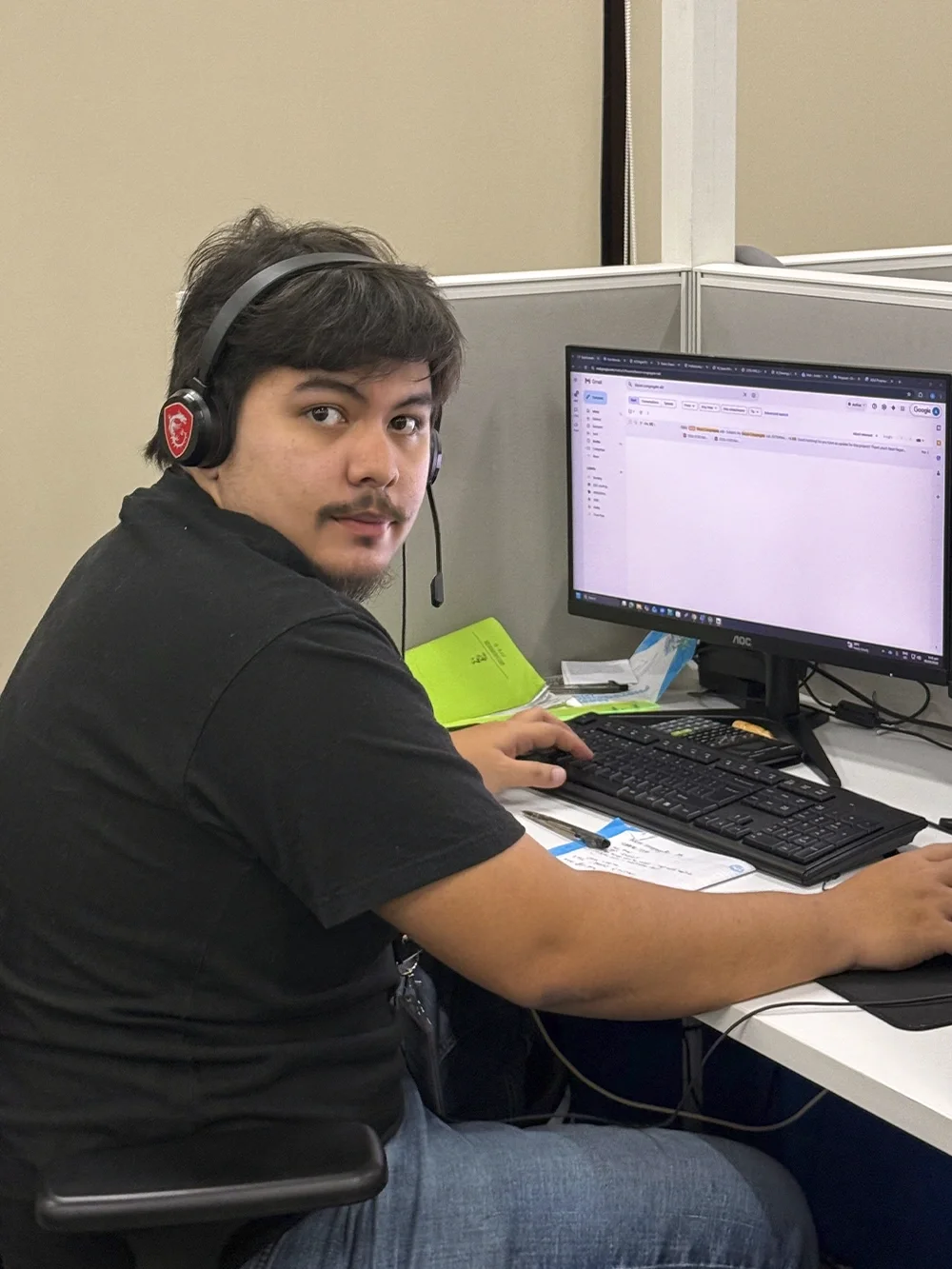
The best offshore estimators are not entry level administrative assistants being asked to learn construction overnight. Many have five, ten, or more years of experience in engineering, construction, estimating, drafting, project coordination, or related technical fields.
That experience matters. Estimating requires more than reading numbers from a plan. A good estimator needs to understand scope, materials, quantities, labor implications, trade sequencing, common omissions, project documents, and the real world relationship between what is drawn and what must be built. They need to understand that a missed detail is not just a spreadsheet issue. It can become a margin issue, a scheduling issue, or a client relationship issue.
Turnkey Offshoring gives companies access to experienced offshore talent across a wide range of estimating needs, including electrical estimation, construction estimation, plumbing estimation, flooring estimation, roofing estimation, and other specialty areas.
That range is important because not every estimator fits every contractor.

An electrical estimator needs to understand electrical drawings, systems, fixtures, panels, conduit, wiring, load requirements, and installation considerations.
A plumbing estimator needs to understand piping, fixtures, drainage, supply lines, systems, and material requirements.

A flooring estimator needs to understand square footage, waste factors, substrate concerns, material types, transitions, and installation methods.

A roofing estimator needs to understand roof systems, pitch, materials, underlayment, flashing, drainage, and the details that affect labor and cost.
Construction estimation is not one generic skill. It is a technical discipline shaped by trade, project type, documentation quality, and field experience. That is why hiring the right offshore estimator matters more than simply finding the cheapest person available.
Offshore Estimating Can Create Immediate Business Value
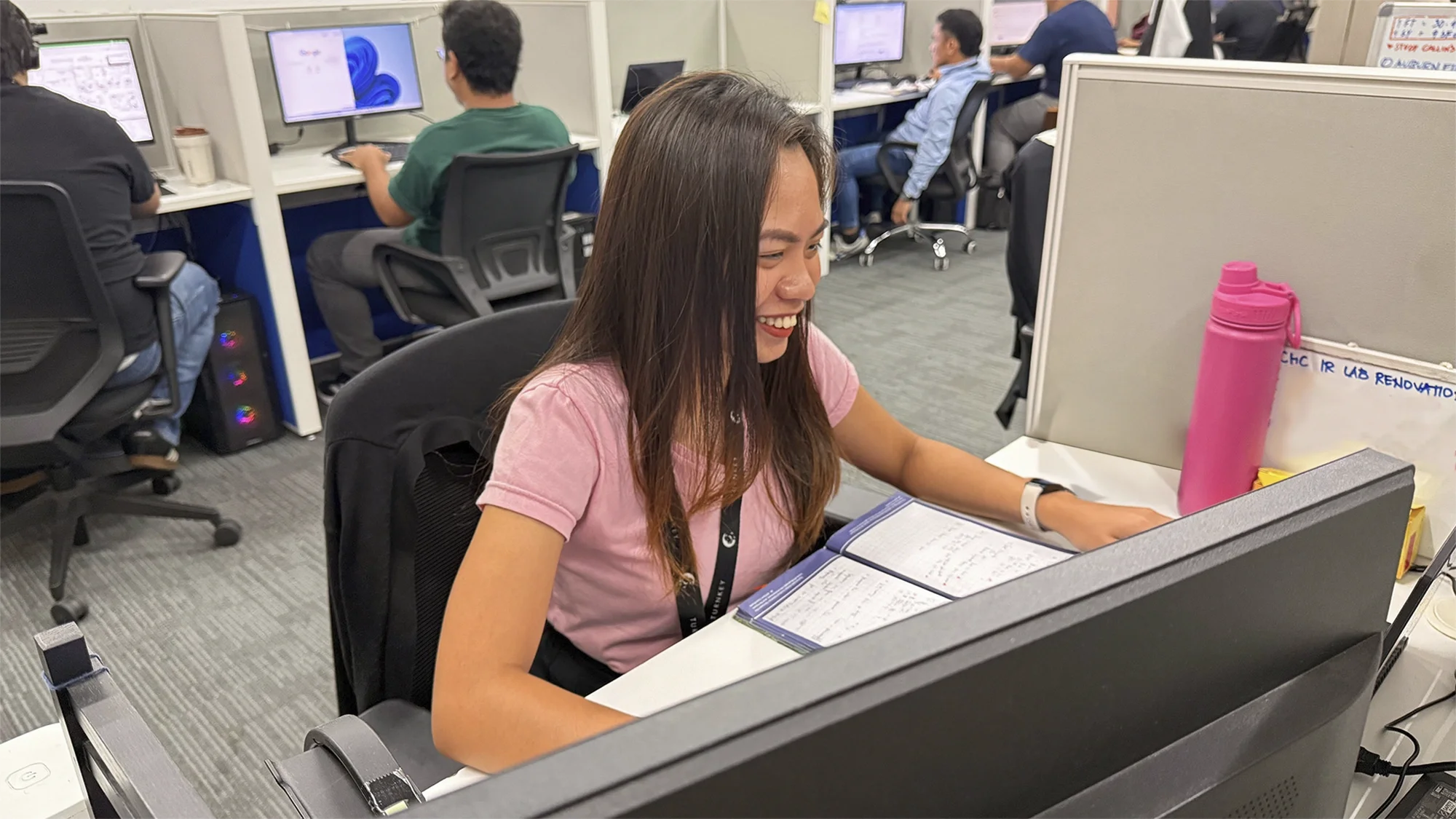
One of the strongest reasons to hire offshore estimators is speed to value. When a company is short on estimating capacity, the pain shows up quickly. Bids sit too long. Opportunities get missed. Owners and managers get pulled into estimate preparation instead of business development. Existing staff get overloaded. Response times slow down. The company may still be busy, but growth becomes harder because the estimating function cannot keep up.
An offshore estimator can help relieve that pressure. By adding dedicated estimating support, your company can increase bid output, improve turnaround times, and create more breathing room for the people already carrying the workload. Even one strong offshore estimator can make a measurable difference if they are placed into the right workflow.
For many companies, this is the difference between reacting to opportunities and actively pursuing them. If your team can estimate more work, respond faster, and keep internal leaders focused on client relationships and project execution, the offshore role is not just a cost saving measure. It becomes a growth tool.
That is the key mindset shift. Offshore estimating should not be viewed only as a cheaper version of domestic hiring. It should be viewed as a practical way to expand capacity, protect margins, and create more consistent bid flow without adding unnecessary payroll strain.
See How We Can Help
The Cost Problem With Domestic Estimator Hiring

Domestic estimator hiring is not wrong. There are plenty of situations where a local senior estimator is the right hire. But it is also important to be honest about the cost. An $80,000 salary does not stop at $80,000. The actual cost of hiring often includes recruiting time, benefits, taxes, software, management, onboarding, training, equipment, and lost productivity during the ramp up period. If the hire does not work out, the cost gets even worse.
For small and mid sized contractors, that is a major commitment. It can be especially difficult when the business needs estimating support but does not yet have enough work to fully justify another high salary position. That middle ground is where many companies get stuck. They need help, but they are not ready to absorb the cost of a full domestic hire. So the owner, project manager, or senior estimator keeps carrying the extra workload.
That may work for a while, but it is not sustainable. Offshore estimators give companies another route. You can add experienced estimating talent at a more manageable cost while still keeping the process connected to your business. Instead of choosing between overpaying for capacity or outsourcing to a disconnected vendor, you can build a dedicated offshore staffing model that fits the way your business already operates.
Why Accountability Matters in Estimating
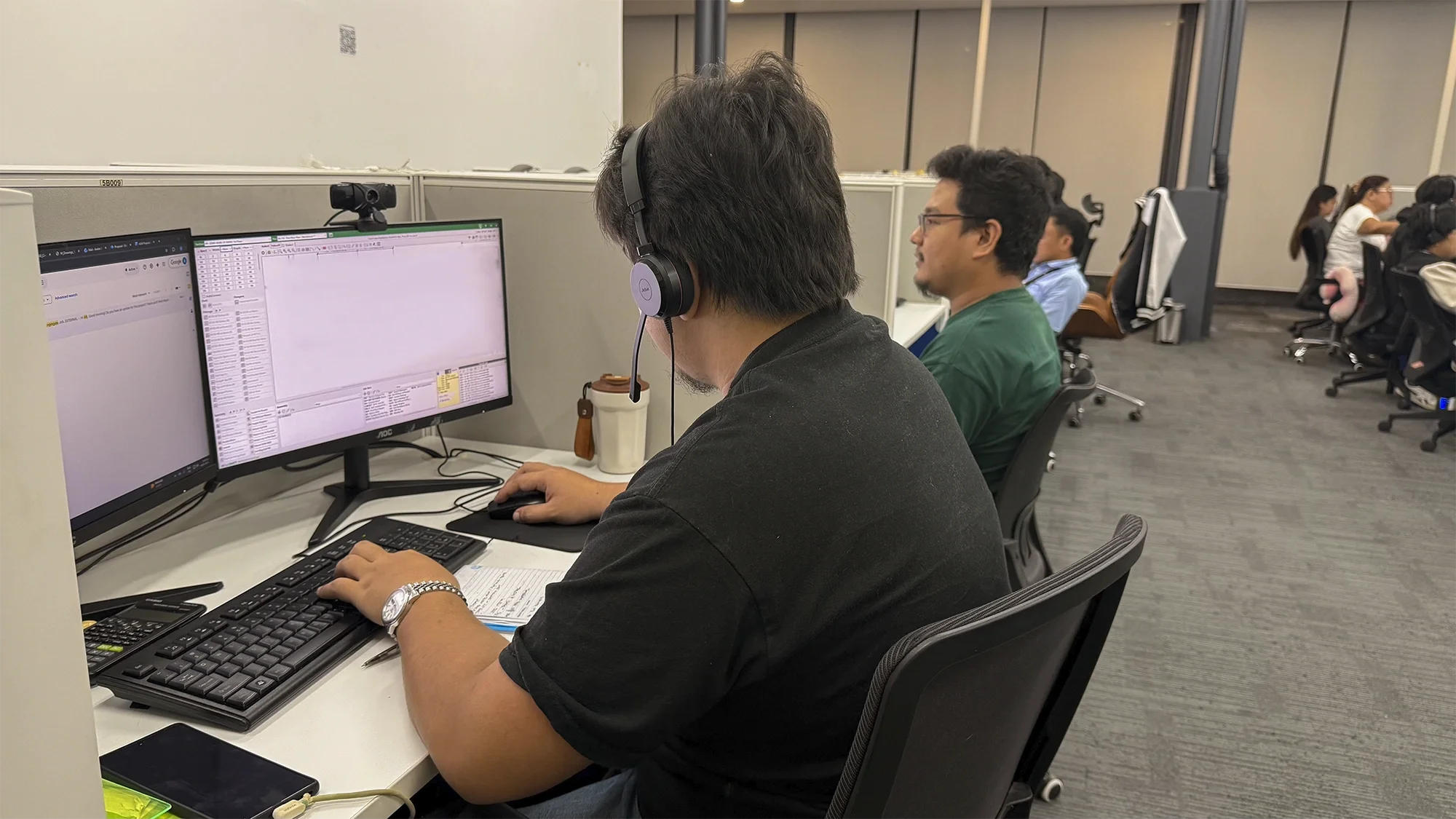
Estimating is one of those business functions where accountability matters more than almost anything else. If a marketing task is late, the campaign gets delayed. If an administrative task is missed, someone fixes the paperwork. But if an estimate is wrong, the business can win the wrong job at the wrong price. That mistake can follow the company for months.
That is why the “who owns this work?” question is so important.
When you outsource estimating to a separate company, ownership can become blurry. They prepared the estimate, but your company signed off on the bid. They used their process, but your company has to execute the project. They delivered a file, but your team carries the financial consequence.
When you hire an offshore estimator as part of your team, the relationship is different. The estimator learns your standards. They work with your people. They improve over time because they are exposed to your feedback, your project history, and your expectations. Their role becomes part of your operating structure, not a one time transaction.
That creates better alignment. A dedicated offshore estimator can become familiar with your bid templates, software, preferred vendors, scope language, common project types, regional assumptions, and internal review process. Over time, that familiarity makes the estimating function stronger and more consistent.
Offshore Estimators Are Not Just for Large Companies
Some business owners assume offshore staffing is only for large companies with massive teams and complicated operations. That is not true. Offshore estimators can be especially valuable for small and mid sized companies because these businesses often feel capacity problems the most. A large company may have a deep estimating department. A smaller contractor may have one person doing estimating, sales, project coordination, and client follow up. When that person gets overloaded, the entire business slows down.
A dedicated offshore estimator can help a smaller company professionalize its estimating process without taking on the cost of a larger internal department. For growing companies, offshore estimating can also serve as a bridge. It gives the business the support it needs now while creating room to grow into a larger structure later. That flexibility is a major advantage. You can start with one role, refine the workflow, build trust, and expand only when the business case is clear.
The Best Use Cases for Offshore Estimators
Offshore estimators can support a wide range of construction and trade businesses, especially when the work is repeatable, document driven, and tied to clear internal review processes.
Electrical contractors can use offshore electrical estimators to support plan review, takeoffs, material counts, bid preparation, and pricing documentation.
Plumbing contractors can use offshore plumbing estimators to prepare quantity takeoffs, review fixtures and systems, and support bid packages.

General contractors can use offshore construction estimators to support preconstruction workflows, scope review, and cost estimating.

Flooring companies can use offshore flooring estimators to calculate quantities, organize material needs, and help prepare faster project quotes.
Roofing contractors can use offshore roofing estimators to support measurements, material planning, and proposal preparation.
The same model can also apply to other estimating needs across construction, specialty trades, engineering support, and project documentation. The important thing is matching the estimator’s experience to the work your company actually needs done. A strong offshore staffing partner should help you find talent that fits your industry, your workflow, and your expectations.
The Smarter Way to Think About Offshore Estimating

The goal is not to replace your business knowledge. The goal is to support it. Your company still owns the client relationship. Your company still sets the pricing strategy. Your company still decides which projects to pursue, how aggressive to be, what margins make sense, and how each bid fits into the larger business plan.
The offshore estimator helps your team move faster and work with better support. That is the model that works. Offshore estimating should not feel like losing control. It should feel like gaining capacity. It should allow your best people to spend less time buried in repetitive estimating work and more time making the decisions that actually drive revenue.
When set up correctly, an offshore estimator becomes an extension of your company. They help you bid more work, reduce bottlenecks, support your internal team, and create value without forcing you into the expense of another full domestic salary.
For companies trying to grow in construction, electrical, plumbing, roofing, flooring, and related trades, that combination is hard to ignore.
Hiring estimators will always be important. But hiring locally is not the only way to build a stronger estimating team. With Turnkey Offshoring, your business can access experienced offshore estimators with backgrounds in construction, engineering, and trade specific estimation. These professionals can support your team directly, work within your systems, and help create immediate value without the cost burden of a full domestic hire.
You do not need to hand your estimating work to a disconnected company that is not accountable to your business. You also do not need to keep absorbing the cost and stress of doing everything in house.
There is a better middle ground. If your company needs help with electrical estimation, construction estimation, plumbing estimation, flooring estimation, roofing estimation, or another estimating role, Turnkey Offshoring can help you explore the right offshore talent for your needs.
Book a short appointment today and see how an offshore estimator can help your business bid faster, operate smarter, and grow with less overhead.